Part I
The Right Crude
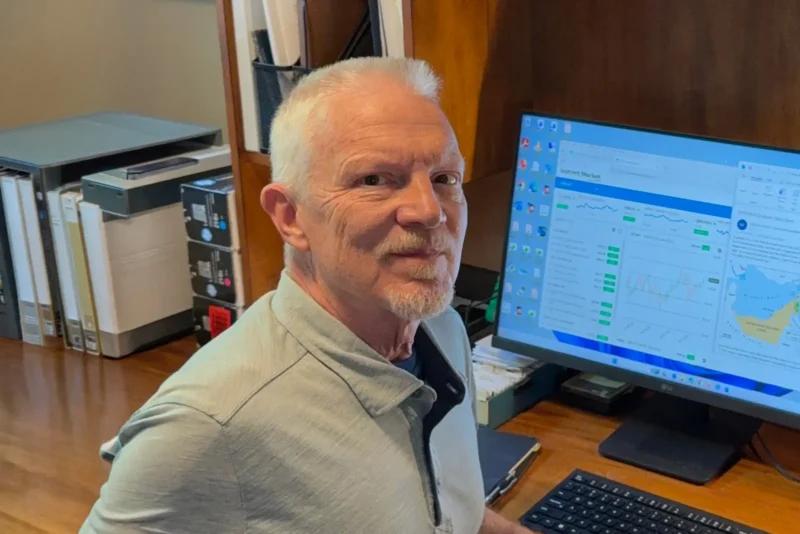
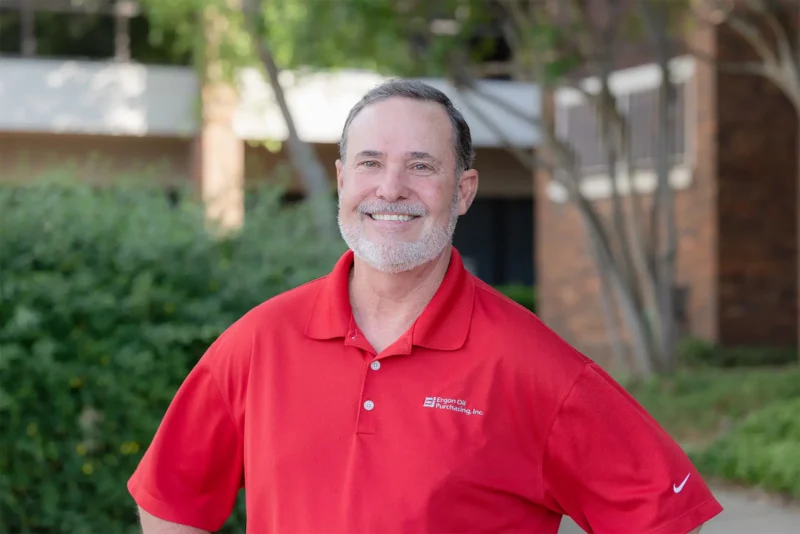
Darden Bourne
Senior Crude Trader
Ergon Oil Purchasing
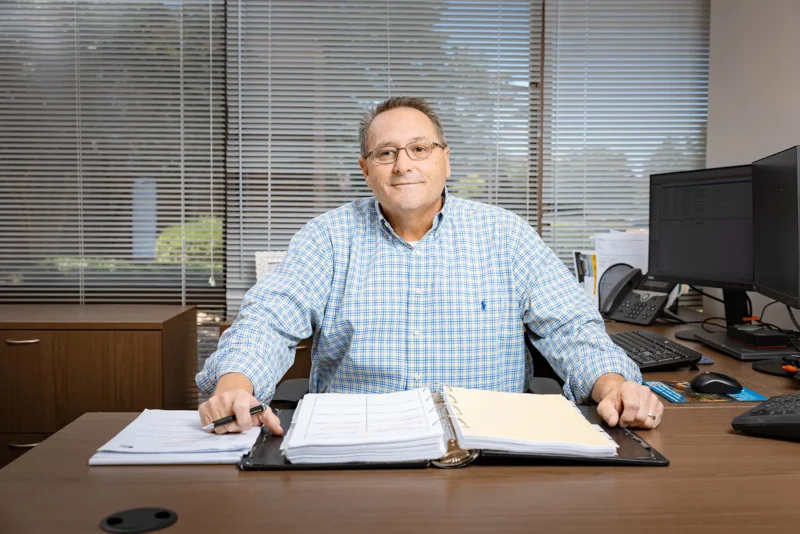
Senior Crude Trader Darden Bourne brings more than 40 years of industry experience and a global network of contacts to EOP. Known to some as “Professor Bourne,” he can name at least one crude grade per oil-producing country, including its price per barrel and the geopolitical forces it fuels.
Ergon’s specialty oil refinery in Vicksburg is a special place,
said Darden. We make a very particular type of high-value base oil that has specific chemical characteristics. The refinery requires a special type of crude known as a
crude that’s hard to find and available in limited supply. Virtually any other type of crude would result in an off-spec specialty oil.
Pure naphthenic crudes are limited worldwide. Ergon sources much of our supply from the North Sea and West Africa.
One oil field lies about 80 miles off the coast of Angola, Africa. From this location, about 7,000 miles from Vicksburg, Mississippi, Ergon sources some of the high-quality naphthenic crude essential to producing our slate of specialty oil products.
In October 2024, Darden secured 950,000 barrels of naphthenic crude from an offshore field near Angola. At that time, it was one of the largest single cargos in company history.
“The oil trading industry is old school, in a positive way … It’s based on relationships. This is a high-value business dealing with a lot of money, and I think it's a human characteristic to want to do that kind of business with people you know and trust. Building those kinds of relationships takes face-to-face, personal interaction.”
Success in specialty crude trading depends on more than product knowledge.
The oil trading industry is old school, in a positive way,
said Darden. It’s based on relationships. This is a high-value business dealing with a lot of money, and I think it's a human characteristic to want to do that kind of business with people you know and trust. Building those kinds of relationships takes face-to-face, personal interaction.
The Sweet Spot
While knowing what to buy and maintaining relationships are important, timing matters just as much.
The decision when to close the sale is based on EOP and leadership at the refinery working together to identify the needs of the refinery and of Ergon’s customers, the amount of crude required to fill those needs and the ideal timing for the crude delivery.
Between the field and the refinery, how many teams “touch” a barrell of oil?
-
Seller
-
Trader
-
Ship Logistics
-
Lightering Crew
-
Customs Inspectors
-
River Pilots
-
Terminal Crew
Right Place and Right Time
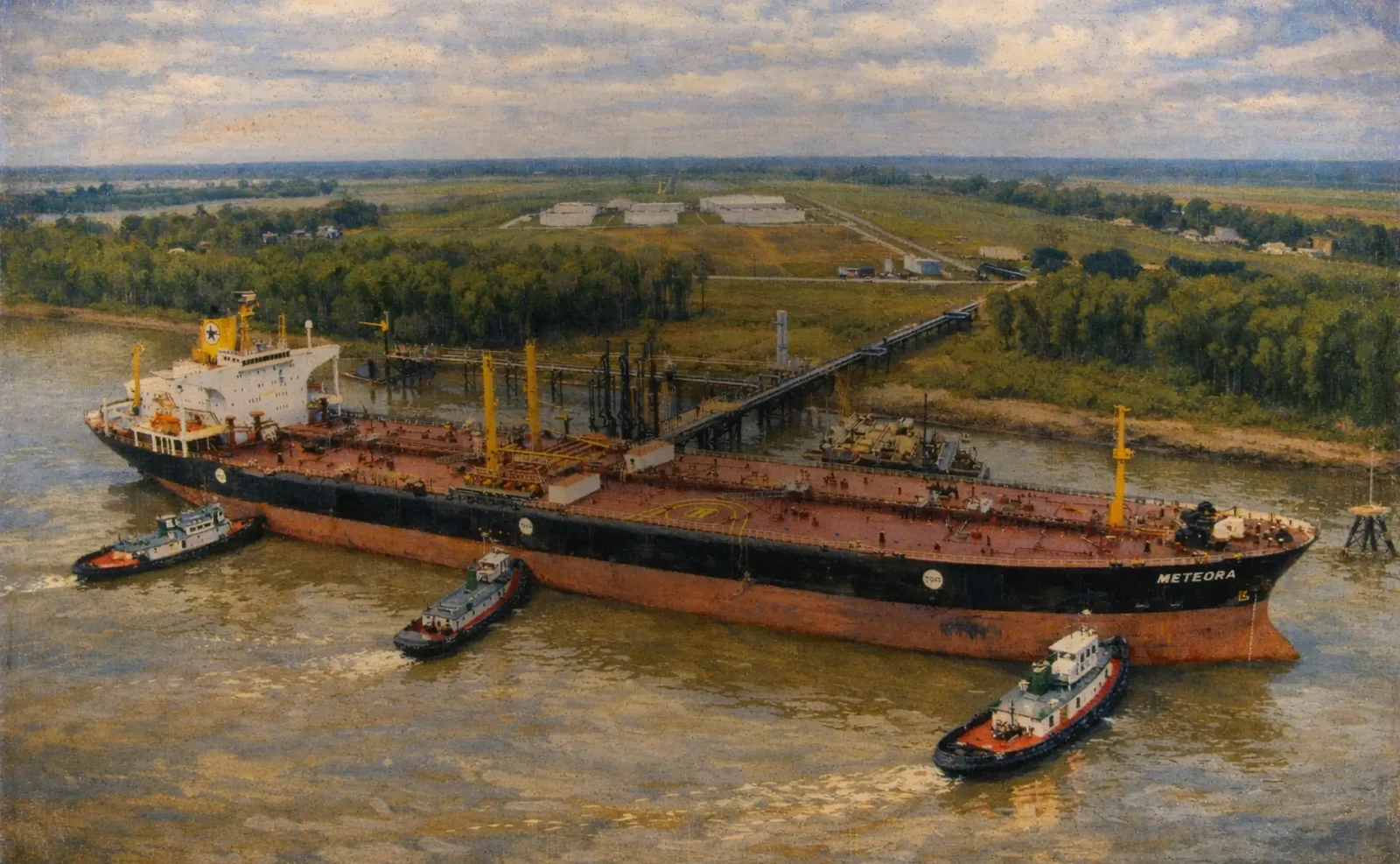
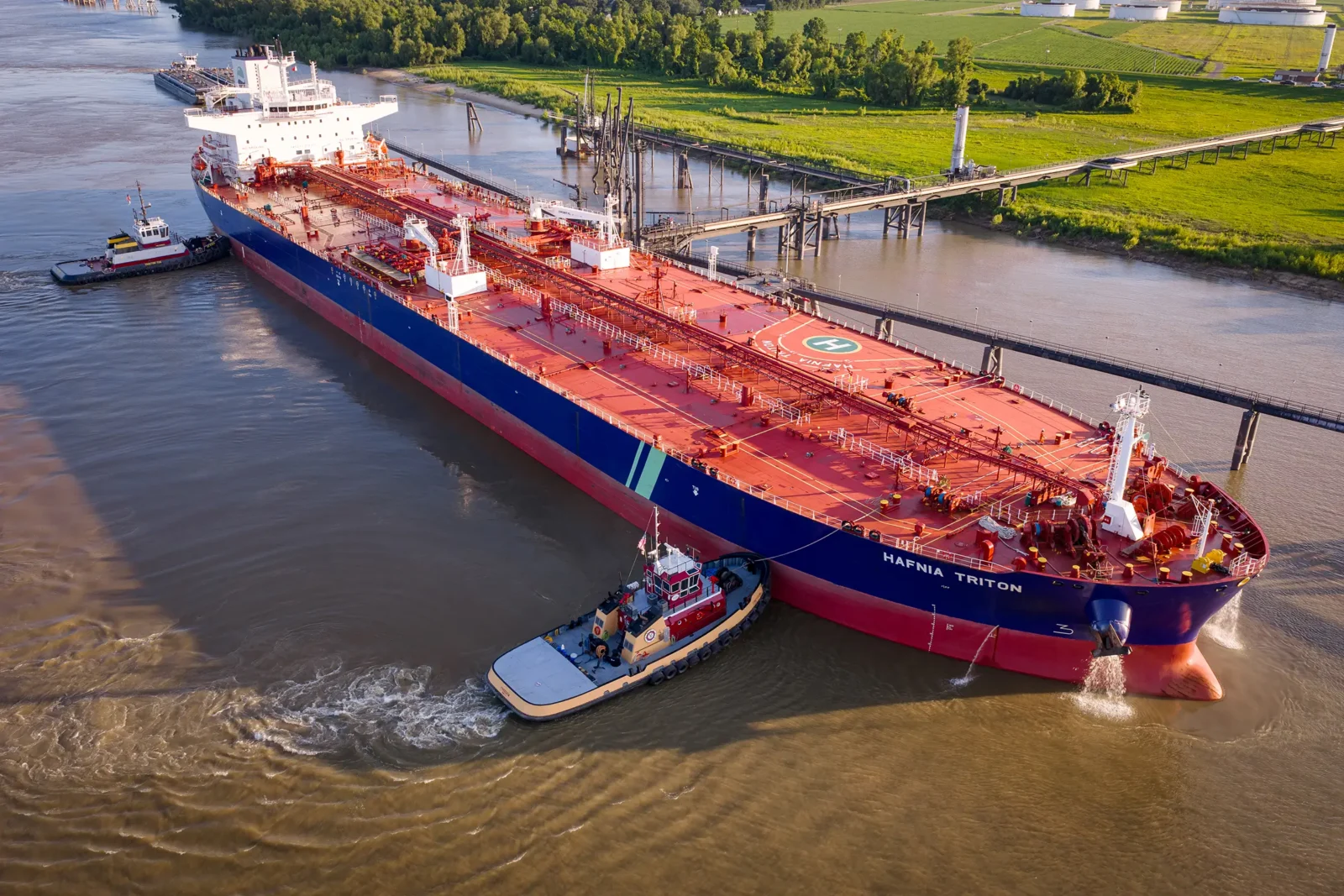
Once purchased, the crude was loaded onto a Suezmax tanker capable of transporting nearly one million barrels. From the Angolan coast, the 20-day voyage began toward the Gulf of Mexico.
While Darden remained involved, day-to-day oversight shifted to EOP Contract Manager Jera Hood. From loading to arrival at Ergon’s St. James, Louisiana, terminal (Ergon - St. James/St. James), she tracked every detail.
Part of Jera’s role is clearing a Suezmax for making the trip and giving instructions for the voyage. The ship tanks will need to be stripped of any remaining oil from its previous cargo before loading. After loading she monitors multiple daily emails from the ship Captain as well as the Agent and Inspectors nominated to help deliver the Suezmax to the Gulf for lightering. As the ship nears the Gulf, two more vessels (Aframax’s) will need to be cleared for the lightering operation before making their way up river to Ergon St James.
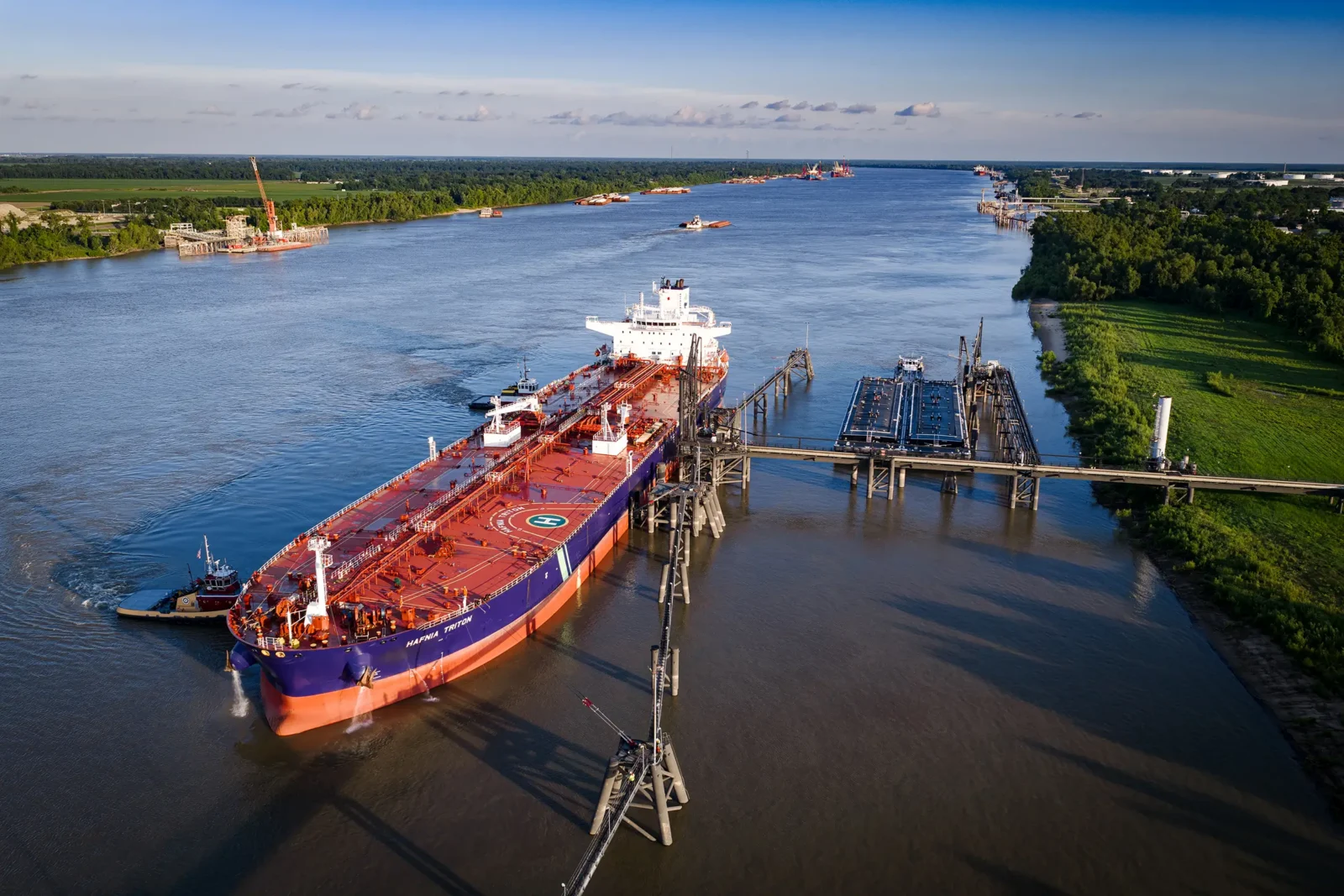
The dock at Ergon St James has very specific draft and dimension requirements
Jera said. I like to be sure Shane is OK with anything coming his way.
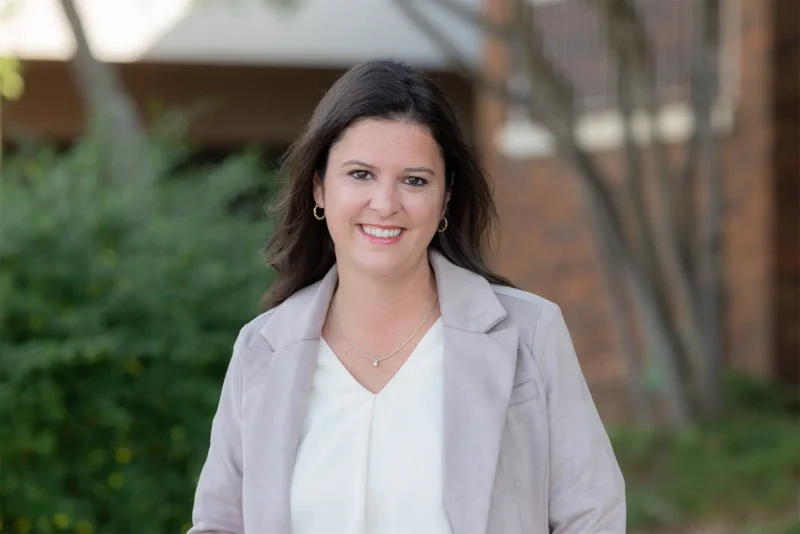
Jera Hood
Contract Manager
Ergon Oil Purchasing
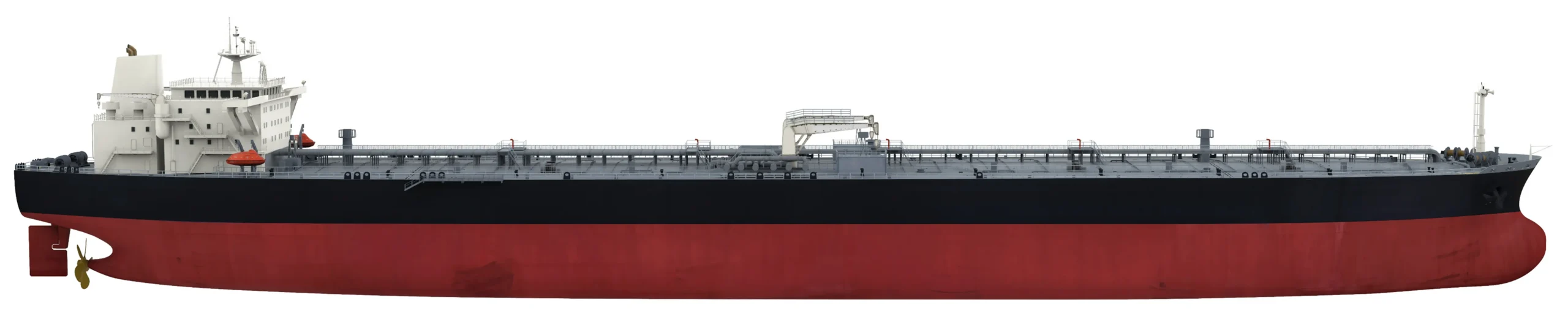
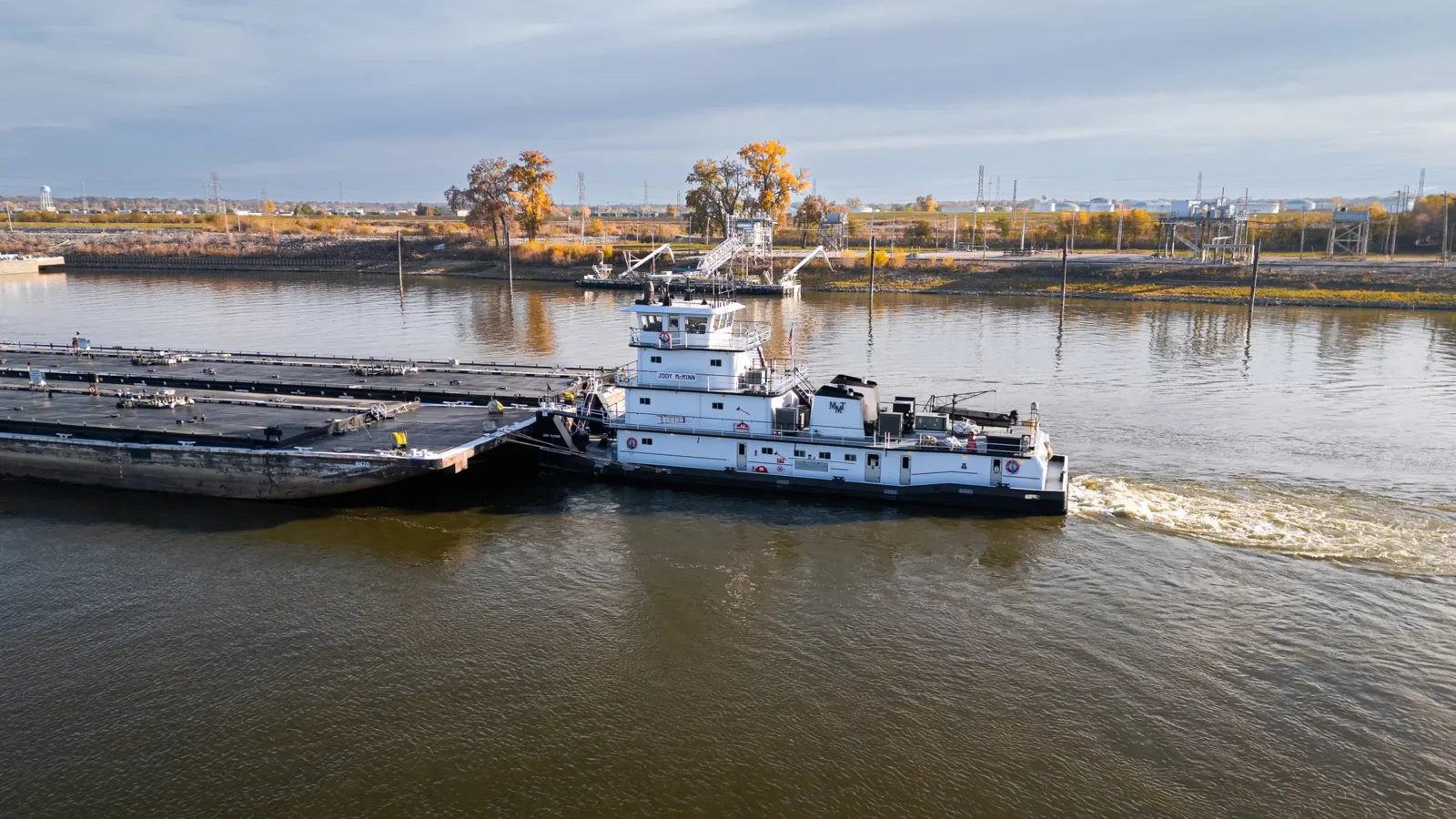
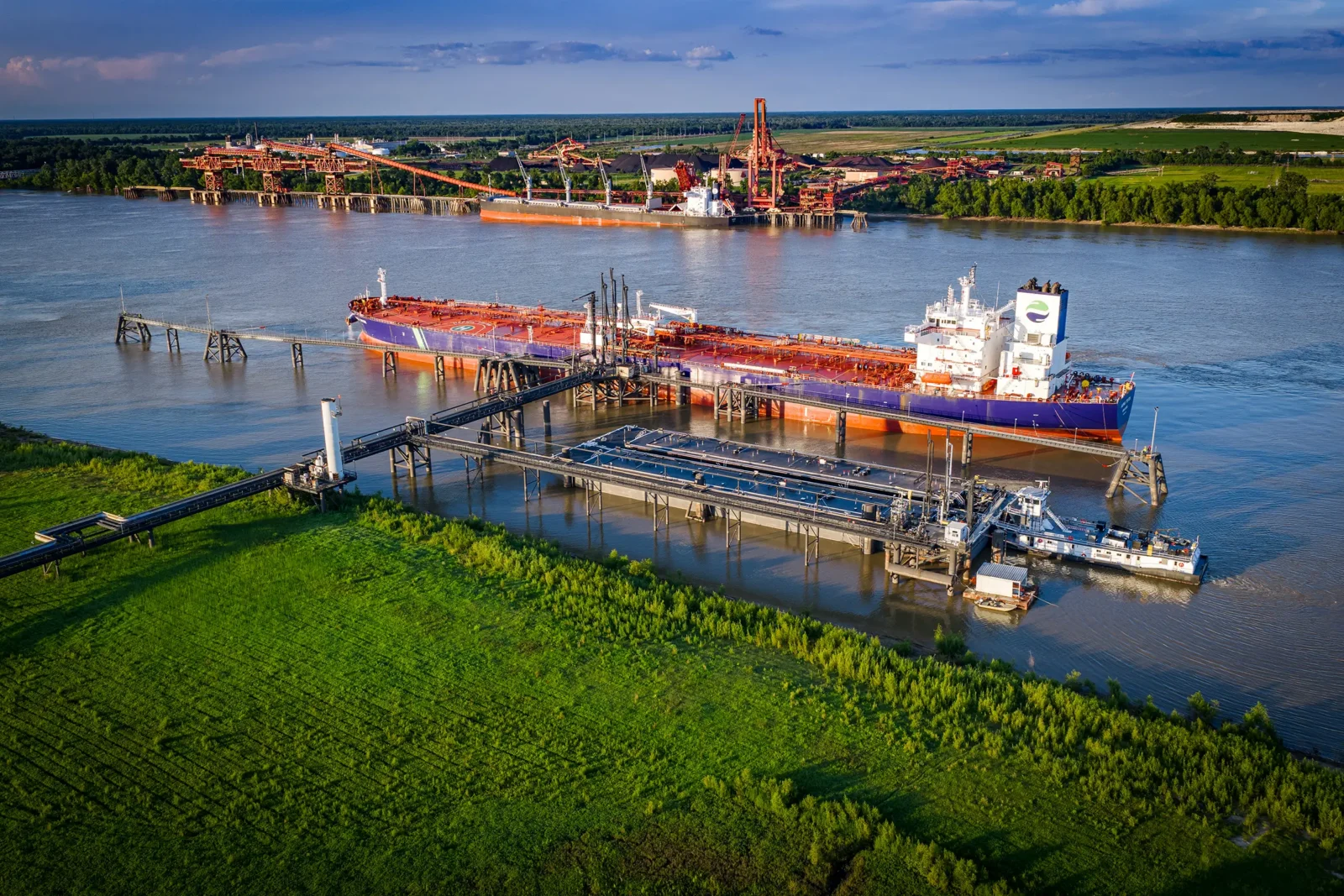
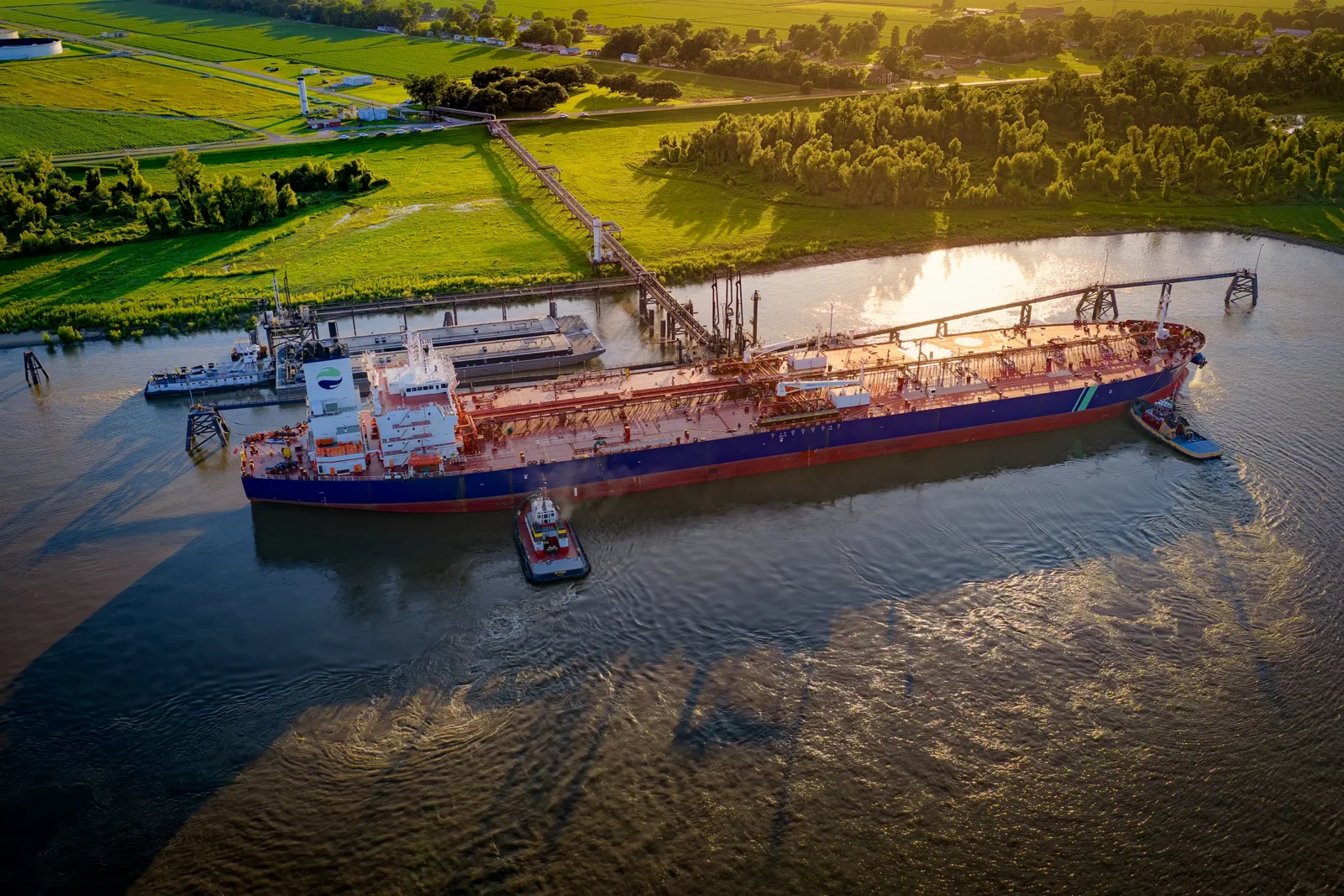
When the Suezmax reached the Gulf, it anchored at the Southwest Pass. Because the vessel was too large to travel up the Mississippi River, two smaller Aframax tankers each conducted a roughly 12-hour ship-to-ship transfer known as
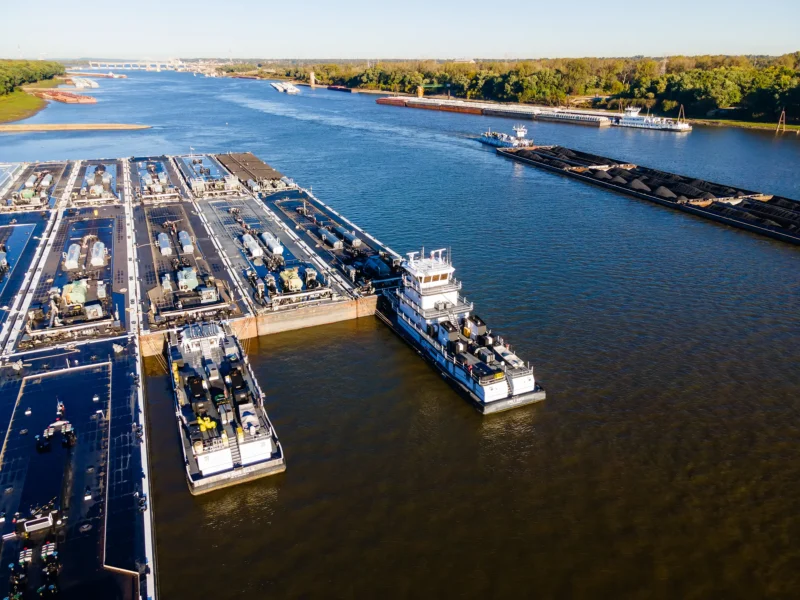
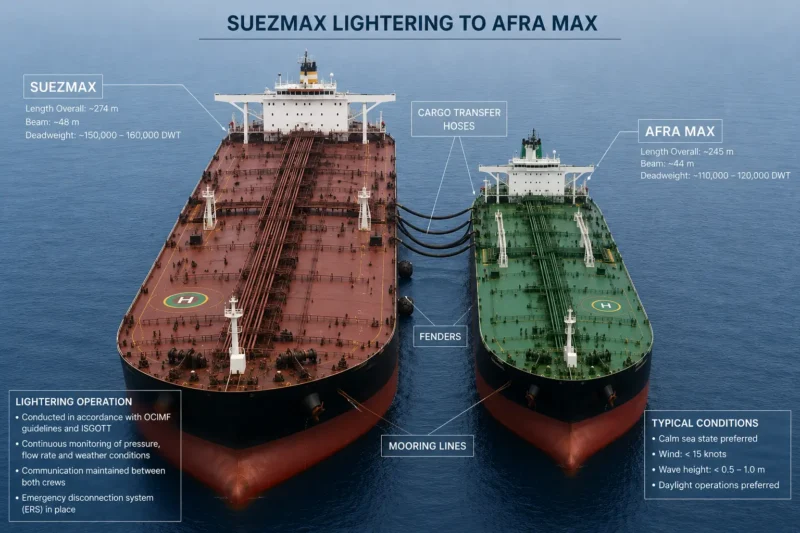
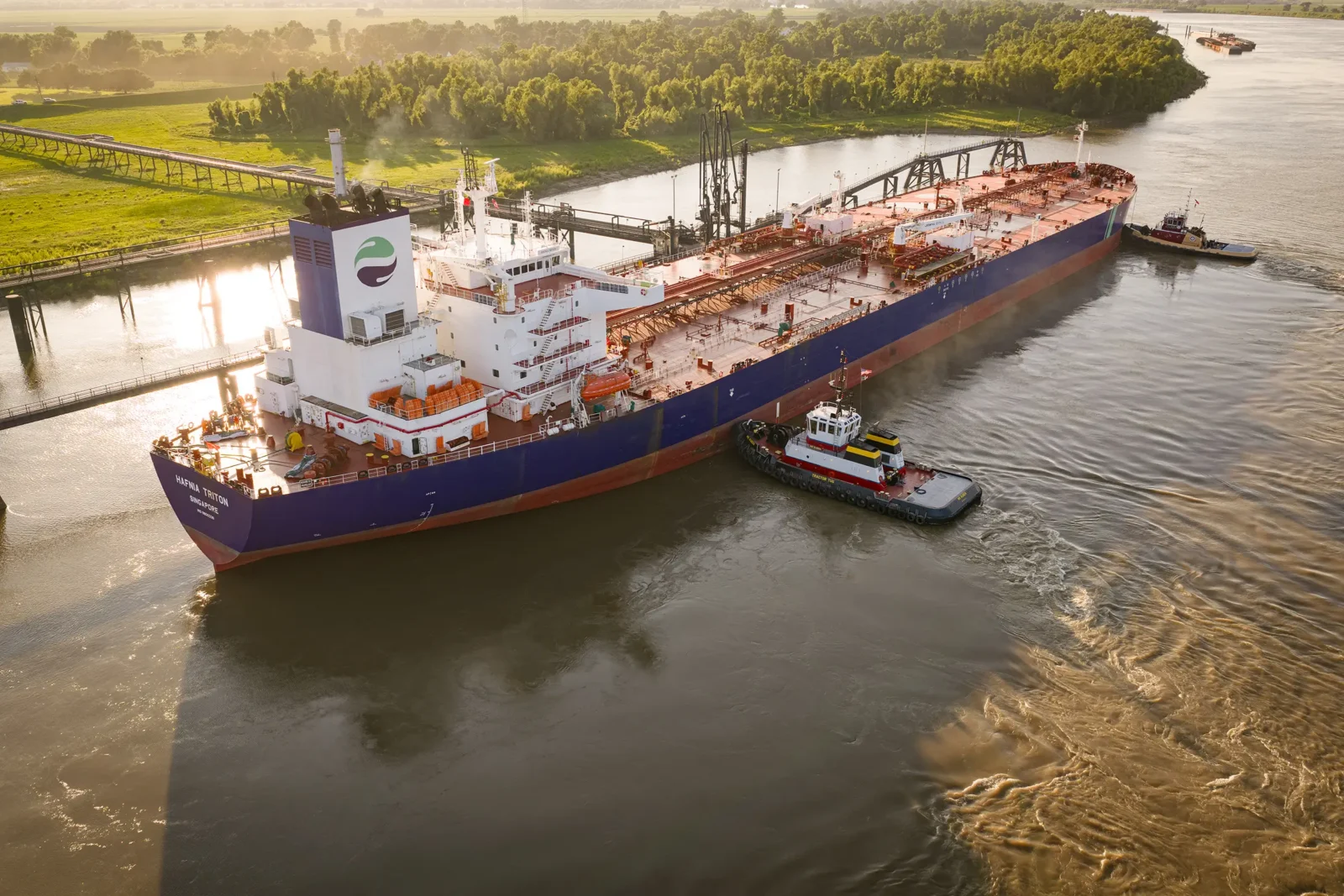
With the lightering complete, the first Aframax began its journey from the Gulf up the Mississippi River to the St. James terminal, after which, the second Aframax began the 12-hour lightering process.
Before and throughout this process, Jera works to ensure everything is in order to clear the shipments through U.S. Customs before entering U.S. waters. Once on U.S. waters, the ship captains that bring the vessels to the U.S. turn them over to pilots who take them from Southwest Pass to Ergon’s dock at St. James.